 CALL US TODAY +44 (0)1473 836200

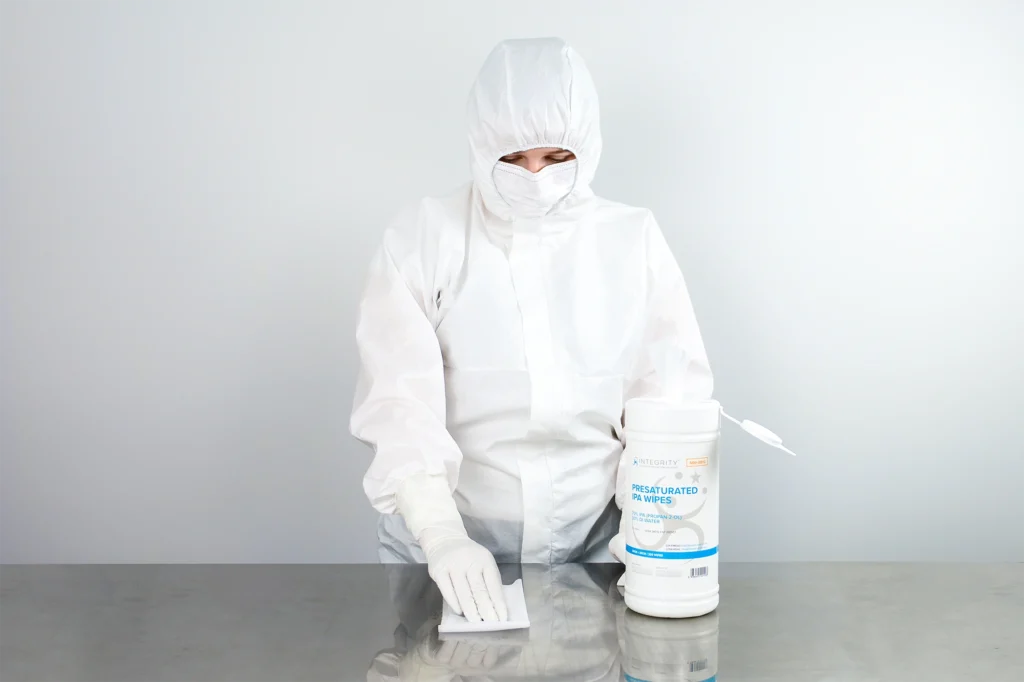
Ensuring compliance while supporting environmental goals in your industry
Understanding the UK and EU plastic wet wipes ban
The UK government has announced a ban on the manufacture, supply, and sale of wet wipes containing plastic to individual consumers in England, expected to take effect in Spring 2027, following an 18-month transition period. The EU is implementing similar restrictions under its Single-Use Plastics (SUP) Directive.
The legislation targets consumer sales to reduce plastic pollution, including microplastics entering waterways, and forms part of a broader commitment to transition away from a linear “take, make, waste” model towards a circular economy for plastic. Plastic-free wipes are unaffected, and both UK and EU frameworks include built-in exemptions for professional, medical, laboratory, and industrial use.
Ministerial guidance highlights the UK’s environmental commitment:
“Across the UK, we are committed to protecting our natural environment and leaving it in a better state than we found it… This includes moving away from a take, make, waste model and towards a circular economy for plastic.”
– Rt Hon Steve Barclay MP, Secretary of State for Environment, Food and Rural Affairs
Public consultation in 2023 showed 95% support for the ban, demonstrating strong societal demand for action against plastic pollution across rivers, oceans, and land environments.
Exemptions for Professional Use
Plastic-containing wet wipes may still be purchased and used where the buyer intends to use them strictly for legitimate professional purposes. It is the responsibility of the purchasing organisation to ensure compliance. This includes ensuring that wipes are purchased, used, and supplied only within the scope of permitted professional activities.
Professional-use wipes are permitted for use in, but not limited to, the following operational settings:
- Industrial and manufacturing environments, where wipes are used for equipment cleaning, production processes, electronics assembly, and food-processing operations.
- Laboratory and scientific environments, including research, quality-control, and analytical laboratories.
- Medical and healthcare settings, such as hospitals, clinics, care homes, or supply via registered pharmacies for medical reasons.
- Cleanroom and controlled environments, including pharmaceutical, biotech, semiconductor, and food-grade cleanrooms.
Charities may also purchase wipes on a B2B basis for operational use. Resale to individual consumers is not permitted.
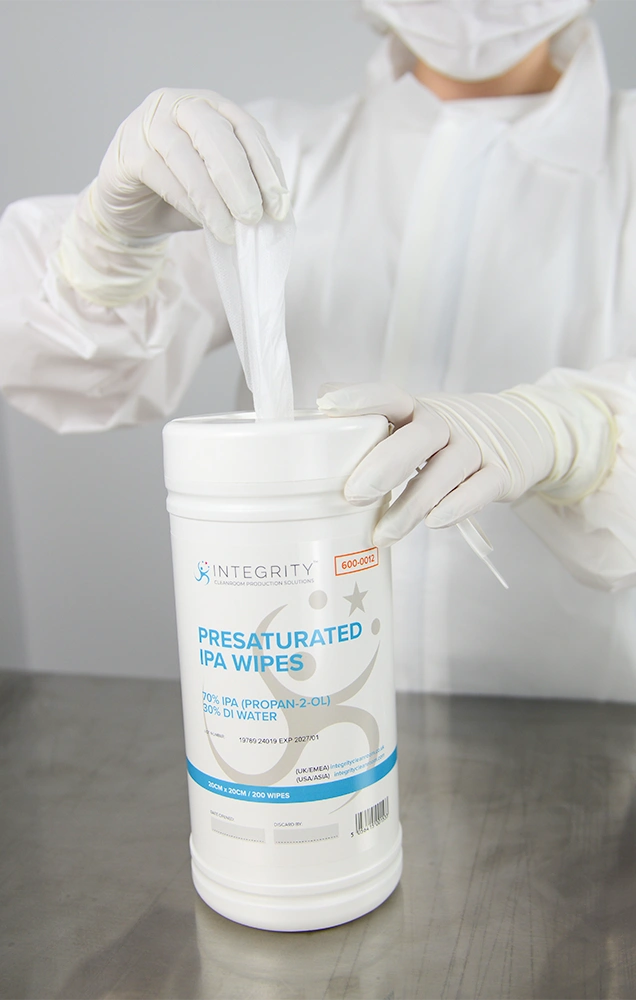
Pictured: IPA tub wipes
Definitions and compliance
For the purposes of the legislation, a wet wipe is defined as:
“A non-woven piece of fabric which has been pre-wetted and which is not designed or intended to be re-used.”
In UK and EU regulations, “plastic” is defined using the REACH definition of a polymer (Article 3(5) of Regulation (EC) No 1907/2006), meaning a material consisting of polymer molecules that form a main structural component of a product, excluding unmodified natural polymers.
Controlled environments wipes are selected based on linting performance, compatibility with cleaning agents, and contamination-control requirements rather than consumer convenience.
There is no government exemption certificate. Exemptions are embedded directly within the legislation, and organisations using single use plastic wipes should retain documentation demonstrating compliant professional use in case of inspection.
Transition period and enforcement
A transition period has started, ending in Spring 2027, to allow businesses sufficient time to adapt. Following this period the new offences and subsequent penalties will come into force. Enforcement is expected to be reactive, with authorities acting where non-compliance is identified.
The legislation explicitly recognises that plastic-free alternatives may not yet meet the performance requirements of certain professional environments. As a result, exemptions have been included for business, laboratory, cleanroom, and medical use, including supply via registered pharmacies for medical reasons.
Environmental context
UK and EU governments view the wet wipes ban as part of a wider strategy to reduce plastic pollution, support resource efficiency, and implement waste hierarchy principles: reduce, reuse, recycle. It builds on earlier measures such as bans on microbeads and other single-use plastic products.
These policies balance environmental protection with the operational realities of professional sectors where suitable alternatives are not always available.

Compliance and professional use notice
Plastic-containing wet wipes supplied by Antistat are intended exclusively for professional use in industrial/manufacturing, laboratory/scientific, medical/healthcare, cleanroom/controlled-environment, or charity (B2B) settings, where wipes are necessary for operational, medical, or contamination-control purposes.
This includes both dry wipes and presaturated wipes designed to meet performance, safety, and contamination-control requirements in regulated environments.
Buyers are responsible for ensuring products are obtained strictly for professional use and are not supplied to individual consumers.
Antistat’s wipe solutions
The following structure is intended to help professional buyers identify appropriate wipe types based on their operational and compliance requirements.
To support compliance and clarity, Antistat’s wipe offering is structured as follows:
Overview of wipes suitable for regulated environments
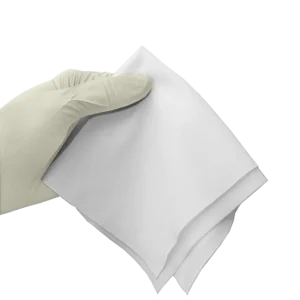
Lint-controlled wipes for cleanroom and laboratory use
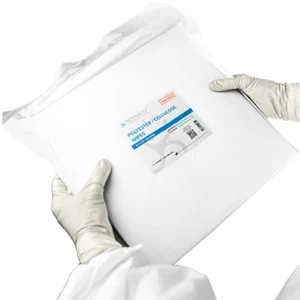
Pre-wetted wipes for controlled cleaning applications
Helpful resources
UK Government guidance
European Union guidance
For further help and advice, fill in the
contact form below
Antistat are experts in contamination control, complete the form below and one of our sales team will be in touch with you shortly.


